

7 Curiosities about bee honey
Used for over 10,000 years, since the Mesolithic era, honey remains an amazing food, which attracts with its healing properties and fascinating way of production.
Honey is a bee preparation obtained by the process of processing by bees of nectar stored in honeycomb cells. By the way, the product obtained aims to feed the population of the hive. Other curiosities about this fascinating food, see below.
Bees have been producing honey for millions of years
As I mentioned earlier, the history of honey production dates back millions of years. About 130 million years ago, the first flowering plants appeared, and bees were divided by wasps. About 3 million years ago, bees began to produce honey. An ancient cave painting depicting a human figure removing honey from a hive was discovered in Valencia, Spain.
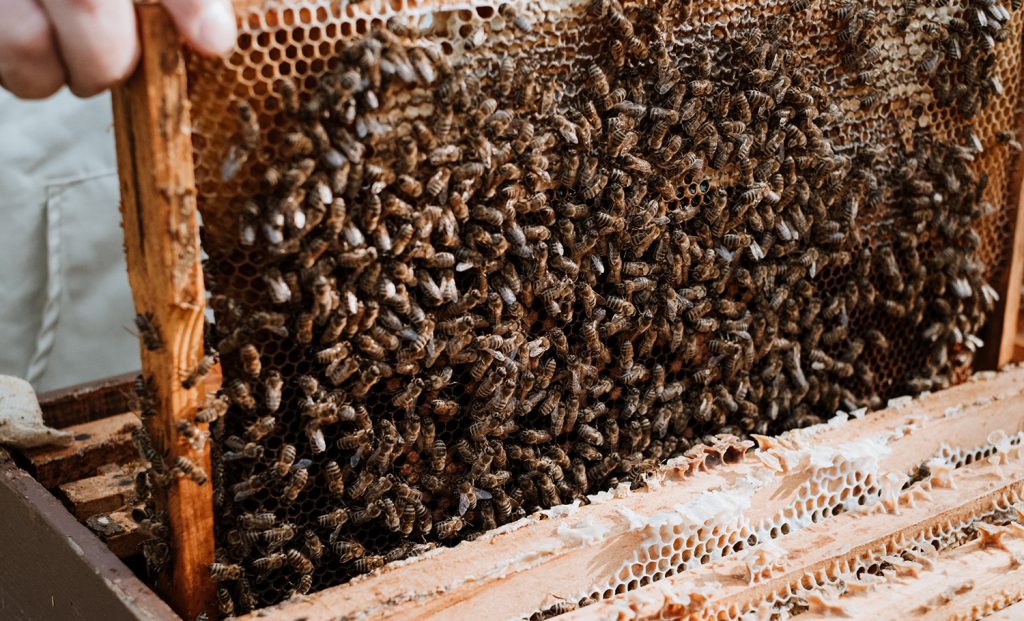
A lesser known, but very adorable, aspect is that bees dance when they return to the hive with pollen. Their dance aims to indicate to the other bees, where the good flowers for collecting pollen are located.
Honey in ancient medicine
Honey was also the first sweet substance used by man in various rituals. In the ancient civilizations, honey was used to prepare alcoholic beverages to which pollen and enzymes from honeycombs were added. The Babylonians, the civilizations of China, India and the Muslim peoples, used honey as a treatment for any ailment, as well as for the remedy of wounds.
Honey as currency
In the past centuries, the Germans considered honey a high-value product. For this reason, honey was the favorite currency of the gentlemen, which they demanded from the peasants. The product was so sought after thanks to its ability to sweeten beer.
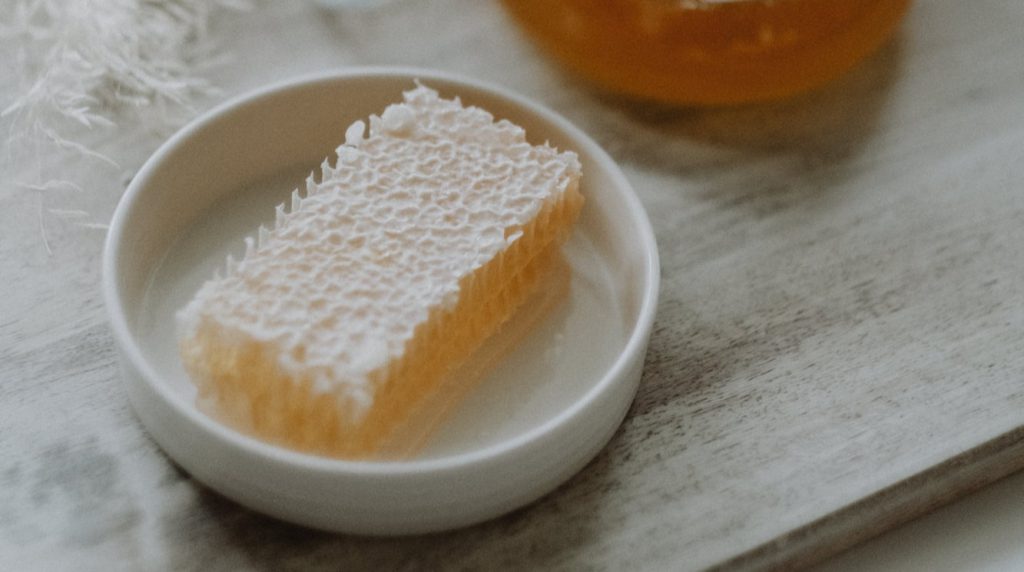
In ancient Rome, honeycombs were used as currency to pay their taxes. Although this did not happen throughout the 1,000-year reign of the Roman Empire, it remains true that this way of paying taxes was maintained until the end of the Middle Ages.
Honey production in figures
On average, over a lifetime, a bee produces 1/12 of a teaspoon of honey. By the way, 2 tablespoons of honey are enough to feed the full flight of a bee around the world.
An ordinary hive can produce between 30 and 100 kilograms of honey per year. To produce a single kilogram of honey, a colony of bees must collect nectar from about 2 million flowers and fly over 88 thousand km. This effort is made by about 800 bees.
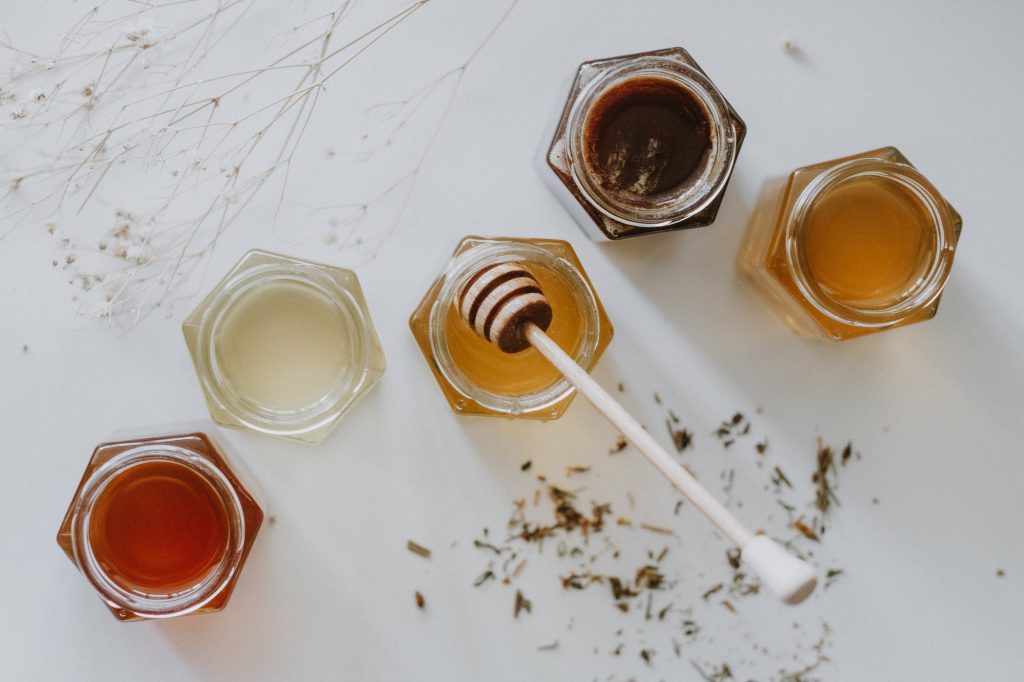
There is a wide variety of types of honey. Its aroma and color depend on the type of flower from which it is collected. Acacia honey, of buckwheat or by
Linden, are known types of honey, but it is also less common honey, such as eucalyptus, which has a slightly mentholated aroma.
Not all honey is produced by bees (Apis Mellifera)
While bees are most often associated with honey production, the Mexican wasp also produces honey on a large scale. This honey is more recognized among Americans. It should be noted that sometimes this type of honey can be poisonous.
Honey never spoils
Honey is an unalterable product and consists largely of water and sugars, which account for 99% of honey. If sealed in a container, the honey has an unlimited shelf life. The term of validity so extended, is explained by its composition. The substances of an acidic nature, with low humidity, in the composition of honey, contribute to an inhospitable environment for bacteria.
Bees flutter their wings to remove excess water, and to break down nectar into gluconic acid, bees use an enzyme called invertase, which they keep in the body. After a while honey can crystallize, but this is a completely natural process, which does not affect the nutritional properties of the product.
Despite the fact that honey retains its properties for an unlimited period of time, there are certain provisions related to the indication of the shelf life on the packaging.
According to the Government Decision, No. HG661 / 2007 of 13.06.2007 regarding the approval of the Technical Regulation “Natural honey”, paragraph 4, point 30-33:
✔️Honey storage packages must be tightly closed.
✔️The shelf life of natural honey in packaging over 2 kg is established by the producer, based on the requirements established by the specialized central body of public administration in the field of health care.
✔️The shelf life of honey in glass or hermetically sealed polymer packages shall be established by the producer, based on the requirements established by the central specialized body of the public administration in the field of health care, but may not exceed 2 years from the date of bottling the honey.
✔️The shelf life of honey in paraffin paper sales packages shall be established by the producer, based on the requirements established by the central specialized body of the public administration in the field of health care. “
Honey is a natural remedy used in the beauty industry
In addition to the widely recognized medicinal benefits, honey is an ingredient with multiple beauty benefits. Honey is a natural solution for treating hair and skin inflammation, thanks to its soothing properties. Also, in the cosmetics industry, honey is a common ingredient in creams and lotions.
We believe that we have convinced you once again that honey, indeed, is a miracle ingredient that must not be missing from the diet and the care process. access Our online store to buy natural honey directly from the producer.
What other curiosities do you know about bees? Share them with us in the comments and let’s discuss them 🙂